

Choosing between an end grain vs edge grain cutting board can feel overwhelming when you’re investing in quality kitchen tools. Both types offer unique benefits, from knife care to durability, but understanding their differences is key to making the right choice. An end grain cutting board features a checkerboard pattern with wood fibers standing vertically, while an edge grain cutting board displays elegant parallel grain lines. Whether you’re a home cook seeking reliability or a culinary enthusiast prioritizing knife preservation, this guide will help you decide which cutting board end grain vs edge grain design best fits your kitchen needs.

What Is an End Grain Cutting Board?
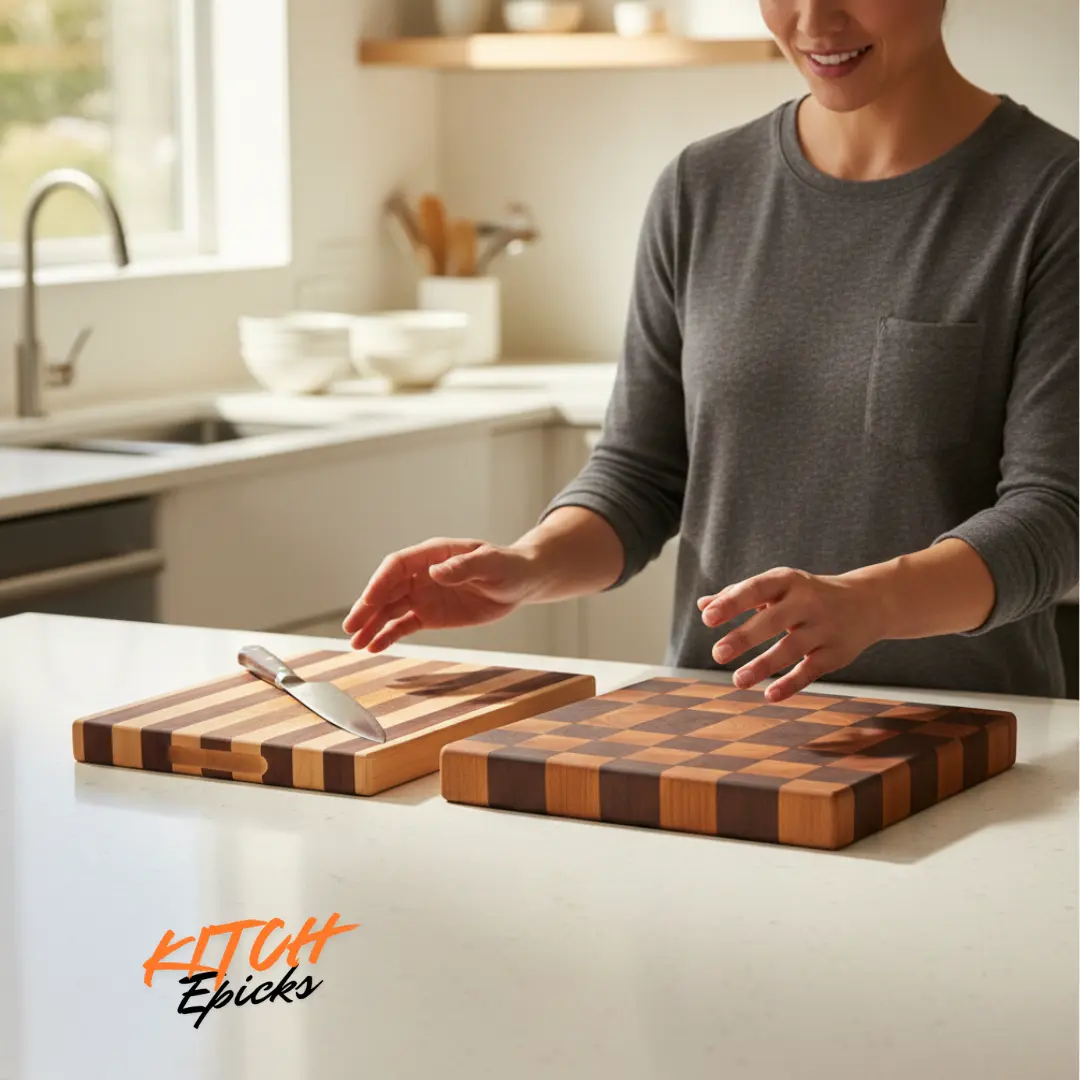
An end grain cutting board is constructed by arranging wood blocks so the fibers stand vertically, like looking down at a freshly cut tree stump. This unique orientation creates the signature checkerboard or mosaic pattern that makes end grain cutting boards instantly recognizable. When craftsmen build an end grain cutting board, they cut wood perpendicular to the growth rings, rotate the pieces 90 degrees, and glue them together to expose the end of each wood fiber.
Understanding End Grain Construction
The construction of end grain cutting boards is labor-intensive and requires precision woodworking skills. Wood planks are first cut into strips, then those strips are cut again into individual blocks. Each block is rotated so the end grain faces upward, creating a surface where thousands of wood fiber ends are exposed. Understanding the wood grain orientation is essential to appreciating why end grain performs differently than other cutting surfaces.
These fiber ends create the distinctive appearance and functional benefits that set end grain apart from other cutting board styles. The process uses more material and time, which explains why end grain cutting boards command premium prices in the marketplace.

- [Crafted with Precision]: Our teak cutting boards for kitchen, made from 100% natural teak wood, ensure lasting durabili…
- [Exceptional Durability]: Our waterproof wooden cutting board features a tight grain structure, offering long-lasting in…
- [Ideal Teak Cutting Board]: This plus large cutting board from wood is ideal for cutting, chopping, and serving without …
The Self-Healing Properties
The most celebrated feature of any end grain cutting board is its self-healing ability. When you cut on an end grain surface, the knife blade slides between the vertical wood fibers rather than severing them. The fibers separate to accommodate the blade, then close back together after the knife is lifted, similar to bristles on a brush. This self-healing characteristic means your end grain cutting board shows fewer knife marks over time and provides superior protection for your knife edges.
Professional chefs often prefer end grain surfaces because they extend the time between knife sharpenings, saving time and money on blade maintenance. Additionally, research shows wood has natural antibacterial properties that make wooden cutting boards surprisingly hygienic when properly maintained.
Visual Characteristics
The checkerboard pattern created by alternating light and dark woods—commonly maple and walnut—transforms a functional kitchen tool into a work of art. Choosing the best wood for cutting boards depends on your preferences for color contrast, grain patterns, and durability.
Each end grain cutting board displays unique grain patterns and color variations that make it one-of-a-kind. The mosaic-like appearance adds artisan character to any kitchen, whether displayed on a countertop or hung as decorative wall art. Many woodworkers consider end grain boards the pinnacle of cutting board craftsmanship due to their complex construction and beautiful results.

What Is an Edge Grain Cutting Board?
An edge grain cutting board is constructed by gluing wood strips together edge-to-edge, with the growth rings visible on the cutting surface. This traditional construction method creates the classic butcher block appearance with long, parallel grain lines running the length of the board. Edge grain construction is the most common type found in kitchens worldwide, offering an excellent balance of performance, aesthetics, and affordability. When you look at an edge grain cutting board, you’re viewing the side of the wood planks rather than the top or bottom.
Edge Grain Construction Explained
Building an edge grain cutting board is more straightforward than end grain construction. Wood planks are cut to size, arranged side by side with their edges touching, and glued together under pressure. The wood fiber structure runs horizontally across the board in this orientation, creating the distinctive parallel grain lines.

- Wood Cutting Board with Groove: Elevate your food prep with a John Boos CB series professional wooden cutting board with…
- Crafted for Your Home: This wooden charcuterie board boasts reversible sides, recessed finger grips, an oil finish, and …
- Made for Life: Available in 2 different sizes for your serving and charcuterie-board needs, this large wooden cutting bo…
This simpler construction process requires less material waste and fewer labor hours, making edge grain cutting boards more affordable for consumers. Despite the simpler process, edge grain boards still require quality craftsmanship to ensure tight glue joints and proper wood selection for durability.
Durability and Strength
Edge grain cutting boards are remarkably durable when properly maintained. The long grain orientation provides excellent structural strength, and the glue joints distribute stress evenly across the board. An edge grain cutting board can last 10 to 20 years or more with regular care, making it a worthwhile investment for any kitchen. While not quite as gentle on knife edges as end grain, edge grain surfaces still provide good knife protection compared to plastic or bamboo alternatives. The boards are less prone to splitting than face grain boards and maintain their flat shape when oiled regularly on both sides.
Appearance and Style
The visual character of an edge grain cutting board is understated elegance. The parallel grain lines showcase the natural beauty of the wood species used, whether it’s the light tones of maple, the rich browns of walnut, or the warm hues of cherry. Edge grain boards have a timeless, classic appearance that complements any kitchen style, from traditional farmhouse to modern minimalist. The linear grain pattern is less visually busy than end grain’s checkerboard design, appealing to those who prefer simpler aesthetics. Additionally, edge grain cutting boards are typically lighter in weight than their end grain counterparts, making them easier to handle and store.

End Grain vs Edge Grain Cutting Board: Key Differences
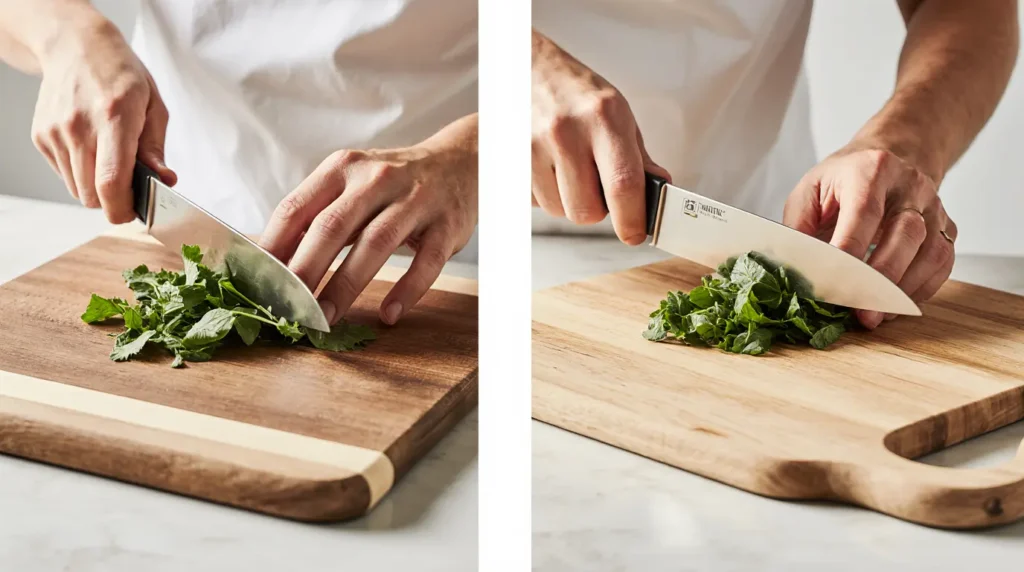
Now that you understand how both types are constructed, let’s compare them directly. The end grain vs edge grain cutting board debate centers on several key factors: how they treat your knives, their durability over time, weight considerations, price differences, and maintenance requirements. Each type excels in different areas, so choosing between end grain vs edge grain cutting boards depends on which features matter most for your cooking style and kitchen priorities.
Knife Friendliness Comparison
When it comes to protecting your knife edges, end grain cutting boards are the clear winner. The self-healing properties of end grain surfaces mean knife blades slip between wood fibers rather than cutting through them. This reduces the microscopic damage to blade edges that occurs with every cut, keeping your knives sharper longer. Professional chefs and knife enthusiasts consistently choose end grain for this reason. Edge grain cutting boards are still knife-friendly—far superior to plastic or glass—but they don’t offer the same level of blade protection. On an edge grain cutting board, the knife does cut through wood fibers, creating small grooves that accumulate over time and requiring more frequent knife sharpening.


Durability and Longevity
Both types are built to last, but end grain has a slight edge in longevity. A well-maintained end grain cutting board can last 20 to 30 years or more, and because of its thick construction, it can be sanded and refinished multiple times to remove deep scratches or stains. The vertical fiber orientation also provides excellent impact resistance when chopping. Edge grain cutting boards typically last 10 to 20 years with proper care and can also be refinished, though fewer times due to their thinner profile. Both types will warp or crack if neglected, but with regular oiling and proper storage, either the end grain vs edge grain cutting board you choose will provide decades of reliable service.
Weight and Portability
Weight is a significant practical difference in the end grain vs edge grain cutting board comparison. End grain boards are substantially heavier due to their thick construction and dense wood block arrangement. A large end grain board can weigh 10 to 15 pounds or more, making it challenging to move around your kitchen or store in a cabinet. Most owners leave them on the counter permanently. Edge grain cutting boards are considerably lighter, typically weighing 4 to 10 pounds depending on size. This lighter weight makes an edge grain cutting board easier to handle, wash in the sink, and store when not in use—a practical advantage for kitchens with limited counter space.
Price and Value
Price is often the deciding factor when choosing between cutting board end grain vs edge grain options. End grain cutting boards typically range from $80 to $300 or more for premium artisan pieces. The higher cost reflects the complex construction, increased material usage, and skilled labor required. Edge grain cutting boards are more budget-friendly, with quality options available from $30 to $150. While the upfront cost of an end grain cutting board is higher, many consider it a worthwhile investment due to superior knife care and extended longevity. Edge grain offers excellent value for everyday cooks who want quality wood without premium pricing.
Maintenance Requirements
Maintenance demands differ between these two board types. End grain cutting boards are more porous and absorbent due to their exposed fiber ends, requiring monthly oiling to maintain moisture balance and prevent warping. An end grain cutting board needs consistent care to preserve its self-healing properties and appearance. Edge grain cutting boards require less frequent maintenance—oiling every 6 to 8 weeks is typically sufficient. Both types need hand washing with warm soapy water and should never go in the dishwasher. The additional maintenance required for end grain is manageable but worth considering if you prefer lower-maintenance kitchen tools.
Visual Appeal and Aesthetics
Aesthetics play a role in the end grain vs edge grain cutting board decision for many buyers. End grain boards make bold visual statements with their distinctive checkerboard patterns and artisan craftsmanship. For those seeking unique kitchen pieces, personalized cutting boards combine functional excellence with custom engraving options that make them perfect gifts or statement pieces.
They’re often displayed as kitchen showpieces that combine beauty with function. Edge grain cutting boards offer timeless elegance with their clean, parallel grain lines that highlight the natural wood character. An edge grain cutting board provides understated sophistication rather than dramatic flair. Both styles are beautiful in different ways—end grain for those who love eye-catching design, edge grain for those who prefer classic simplicity.
| Feature | End Grain Cutting Board | Edge Grain Cutting Board |
|---|---|---|
| Knife Friendliness | Excellent – self-healing surface | Good – gentle on knives |
| Durability | 20-30+ years | 10-20+ years |
| Weight | Heavy (8-15+ lbs) | Lighter (4-10 lbs) |
| Price Range | $80-$300+ | $30-$150 |
| Maintenance | Oil monthly | Oil every 6-8 weeks |
| Visual Style | Checkerboard/mosaic | Linear grain stripes |
| Best For | Serious cooks, knife care | Daily use, budget-conscious |


Pros and Cons of End Grain Cutting Boards
Understanding the advantages and limitations of end grain cutting boards helps you make an informed decision in the end grain vs edge grain debate.
Advantages of End Grain
An end grain cutting board offers several compelling benefits for serious cooks. The self-healing surface protects knife edges better than any other cutting board type, extending the time between sharpenings and preserving your blade investment. The durability is exceptional—with proper care, your end grain board can serve your kitchen for decades. Deep knife marks virtually disappear into the self-healing surface, keeping the board looking newer longer. The stunning visual appeal adds artisan character to your kitchen, making the board a functional centerpiece. Professional-grade performance matches what you’d find in high-end restaurants. When the surface eventually shows wear, you can sand and refinish end grain cutting boards multiple times to restore them to like-new condition.
Disadvantages of End Grain
The downsides of end grain cutting boards are primarily practical considerations. The premium price point puts them out of reach for some budgets, with quality boards starting around $80 and artisan pieces exceeding $300. The substantial weight makes them difficult to move around your kitchen or lift for cleaning. Monthly oiling is necessary to maintain the wood’s moisture balance and prevent warping or cracking. End grain boards are more susceptible to water damage if maintenance is neglected, as the exposed fiber ends readily absorb moisture. If your end grain cutting board does crack or warp severely, replacement costs are significant given the initial investment.
Pros and Cons of Edge Grain Cutting Boards
Edge grain cutting boards serve millions of home kitchens reliably, with their own set of strengths and trade-offs compared to end grain options.
Advantages of Edge Grain
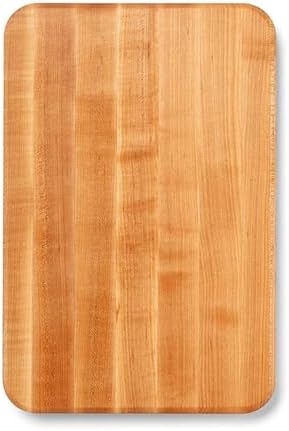
- Wood Cutting Board with Integrated Finger Grips: Elevate your food prep with a Chop-N-Slice series wood cutting board wi…
- Crafted for Your Home: This wooden charcuterie board boasts reversible sides, eased corners, an oil finish, and a level …
- Made for Life: Versatile for different serving and charcuterie-board needs, this 18″L x 12″W cutting board features a 1….
An edge grain cutting board delivers excellent value for everyday cooking needs. The affordable price point makes quality wood cutting boards accessible, with good options starting around $30. The lighter weight provides easy handling for washing, storage, and moving around your kitchen workspace. Lower maintenance requirements mean less frequent oiling and overall easier care. Edge grain surfaces still provide good knife protection, superior to plastic or bamboo alternatives. The classic, timeless appearance with natural wood grain suits any kitchen décor style. Wide variety is another advantage—edge grain cutting boards come in numerous sizes, shapes, and wood species. For households needing multiple cutting boards, edge grain allows you to outfit your kitchen without breaking the budget.
Disadvantages of Edge Grain

- LONG LASTING DURABLE EDGE GRAIN ACACIA: Our Acacia Edge Grain Cutting Boards are built of durable solid construction, th…
- LARGE SURFACE, REVERSIBLE, VERSATILE: Cut, chop, and dice on this edge grain acacia wood cutting board for all your cutt…
- DEEP JUICE GROOVE, BUILT-IN HANDLES: Say Goodbye to Mess countertop. Our chopping board features a dual-sided wood block…
The trade-offs of an edge grain cutting board are generally minor but worth noting. Knife marks show more prominently on edge grain surfaces since the blade cuts through wood fibers rather than separating them. While still very knife-friendly, edge grain doesn’t match the blade-preserving benefits of end grain’s self-healing properties. The expected lifespan is slightly shorter—10 to 20 years versus 20 to 30+ for end grain with comparable care. Edge grain boards are less visually distinctive than end grain’s dramatic checkerboard patterns, which matters if you want a statement piece. You can refinish edge grain cutting boards, but fewer times than end grain due to thinner construction before hitting glue lines.
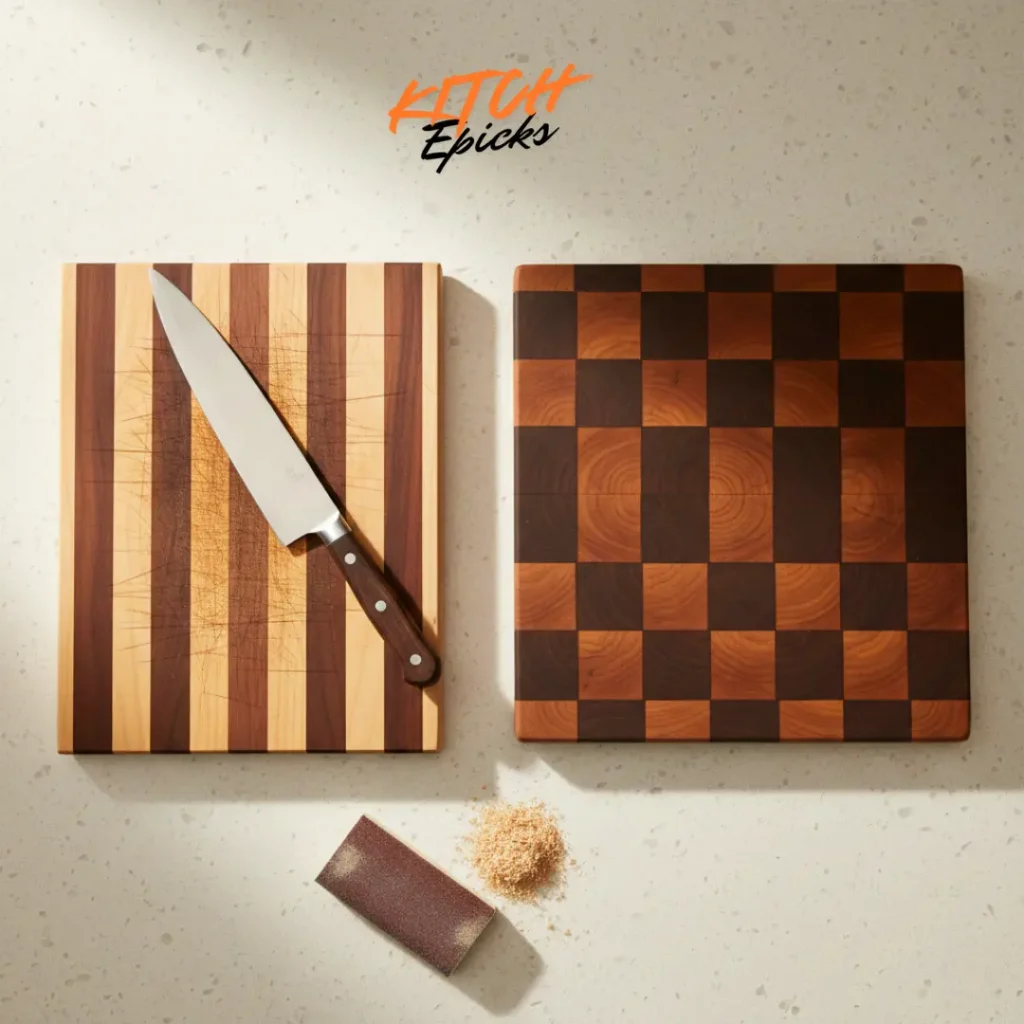
Which Type of Cutting Board Should You Choose?
Deciding between an end grain vs edge grain cutting board ultimately depends on your cooking habits, budget, and kitchen priorities. There’s no universally “best” option—both types excel in different scenarios. The right choice matches your specific needs rather than following a one-size-fits-all recommendation. Let’s break down who benefits most from each type and what factors should guide your decision in the cutting board end grain vs edge grain comparison.
Choose End Grain If You:
An end grain cutting board is the ideal choice if you’re serious about knife care and maintenance. Select end grain when you cook frequently and use your knives daily, making blade preservation a priority worth the premium price. If you appreciate artisan craftsmanship and want a kitchen tool that doubles as a beautiful display piece, end grain delivers. Choose end grain if you have the budget for premium kitchen equipment and view your cutting board as a long-term investment. You’re also a good candidate for end grain if you don’t mind regular maintenance routines, as the monthly oiling becomes part of your kitchen care ritual. Home chefs who value having professional-grade tools and want the absolute best cutting surface for their knife collection will appreciate everything an end grain cutting board offers.

- 𝐎𝐔𝐑 𝐂𝐎𝐌𝐌𝐈𝐓𝐌𝐄𝐍𝐓: In case the cutting board doesn’t meet your expectations, please let us know and we’ll make it right wit…
- 𝐉𝐔𝐈𝐂𝐄 𝐆𝐑𝐎𝐎𝐕𝐄 & 𝐇𝐀𝐍𝐃𝐆𝐑𝐈𝐏: Crafted from durable acacia wood, this acacia cutting board is the ideal addition to any kitche…
- 𝐌𝐔𝐋𝐓𝐈-𝐅𝐔𝐍𝐂𝐓𝐈𝐎𝐍𝐀𝐋 𝐂𝐔𝐓𝐓𝐈𝐍𝐆 𝐁𝐎𝐀𝐑𝐃: More than just a cutting board, this versatile board doubles as an elegant serving tray….
Choose Edge Grain If You:
An edge grain cutting board makes perfect sense when you need a reliable, everyday cutting board that performs well without premium pricing. Choose edge grain if you prefer lighter, more portable boards that you can easily move, wash, and store. If lower maintenance requirements appeal to you and you’d rather oil every 6 to 8 weeks instead of monthly, edge grain fits your lifestyle better.
Budget-conscious cooks get exceptional value from edge grain without sacrificing wood quality. Consider budget-friendly alternatives like acacia wood if you want beautiful grain patterns at accessible prices. The classic, simple aesthetics of an edge grain cutting board suit those who prefer understated elegance over bold statements. If you need multiple cutting boards for different tasks or family members, edge grain allows you to outfit your kitchen affordably. Home cooks new to wooden cutting board care find edge grain more forgiving as they learn proper maintenance routines.

- Non-Slip Design and Exceptional Craftsmanship: Our FSC-certificated bamboo cutting board for kitchen are designed with a…
- 5-Layer Thickened Construction for Unmatched Durability: Crafted with a 5-layer bamboo splicing technique, these boards …
- Knife-Safe Surface for Edge Preservation: Our bamboo cutting board features a durable and thick surface. Meticulously po…
Consider Your Kitchen Needs
Beyond personal preferences, evaluate your practical kitchen situation when choosing between edge grain vs end grain cutting boards. Consider your available counter and storage space—large end grain boards often live permanently on counters, while lighter edge grain boards store more easily. Think about your cooking frequency and the types of food prep you do most often. Heavy chopping and meat processing benefit from end grain’s superior durability, while everyday vegetable slicing works beautifully on either type. The number of home cooks in your household matters too—busy kitchens with multiple users may benefit from having several edge grain boards rather than one premium end grain option. Assess your existing knife collection quality; if you’ve invested in high-end knives, protecting those blades with end grain makes financial sense.
Finally, consider whether you’re thinking short-term or long-term—the higher initial cost of end grain pays off over decades of use. Understanding which wood types work best for your specific cooking needs helps narrow your choices further.
Caring for Your End Grain or Edge Grain Cutting Board
Proper maintenance extends the life of any cutting board, whether you choose end grain or edge grain. Both types require similar basic care with slight differences in frequency and attention to detail.
Essential Maintenance Tips
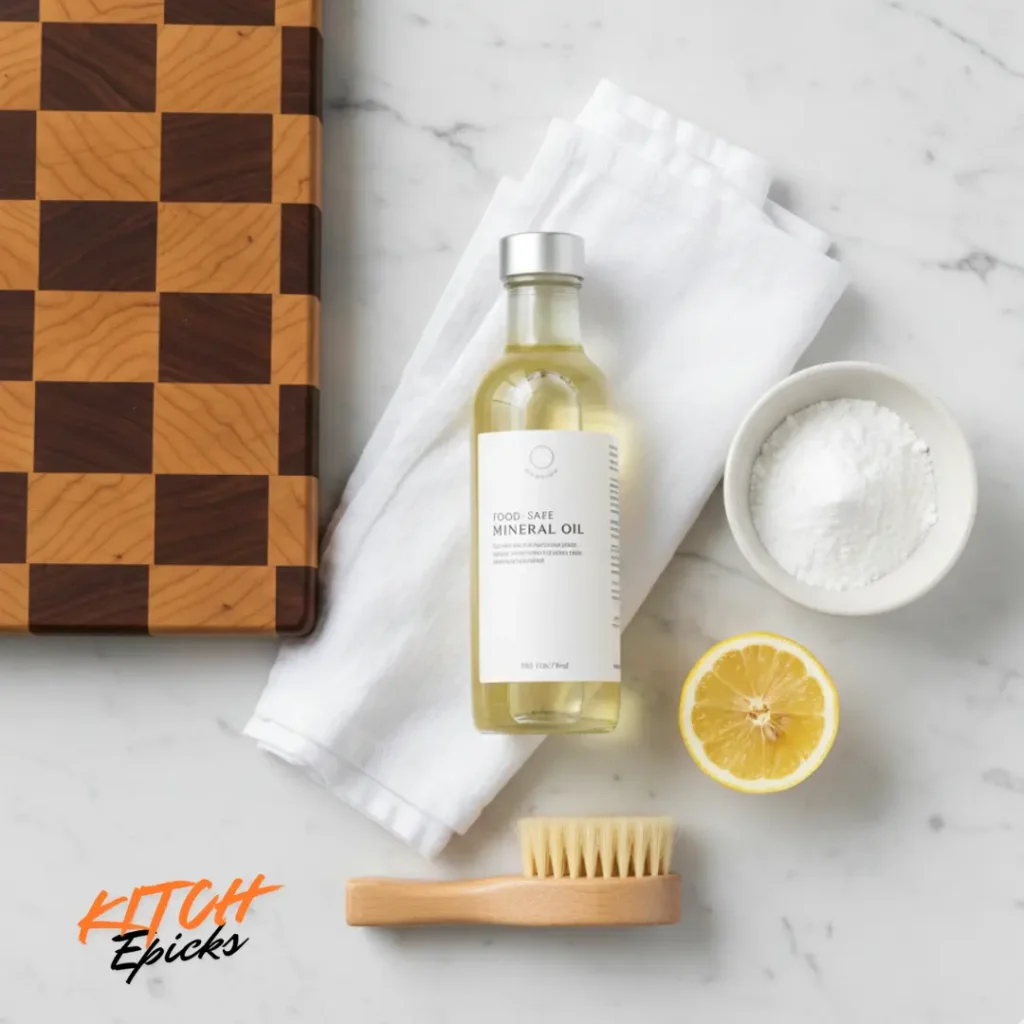
The most important maintenance task for any wooden cutting board is regular oiling. Oil your end grain cutting board monthly and your edge grain cutting board every 6 to 8 weeks using food-safe mineral oil or specialized board cream. New boards need more frequent oiling—weekly for the first month—until the wood is fully saturated. Apply oil when the wood looks dry or when water no longer beads on the surface. Always clean your cutting board immediately after use with warm soapy water and a soft sponge, avoiding abrasive scrubbers that can scratch the surface. Pair your wooden board with non-toxic kitchen tools to create a completely safe, chemical-free cooking environment.
Never put wooden cutting boards in the dishwasher; the high heat and prolonged water exposure cause warping and glue joint failure. After washing, rinse thoroughly and dry immediately with a clean towel, then stand the board upright to allow air circulation on all sides.


Deep Cleaning and Restoration
Over time, your cutting board may develop stains or odors that regular washing doesn’t remove. For deep cleaning, make a paste of baking soda and water, apply it to stained areas, and gently scrub with a soft brush. For stubborn stains and odors, cut a lemon in half, sprinkle the cut surface with coarse salt, and scrub the board in circular motions. The citric acid naturally bleaches stains while the salt acts as a mild abrasive. Let the lemon juice sit for 5 to 10 minutes before rinsing and drying thoroughly. When your board develops deep scratches or knife marks, light sanding with fine-grit sandpaper (220 grit) removes surface imperfections. For more serious damage, progressively sand with 80, 120, then 220 grit sandpaper, always sanding with the grain. After sanding, recondition the wood with multiple coats of mineral oil. Professional restoration services can handle severe damage if you’re uncomfortable doing it yourself.

- REVITALIZING FORMULA BLEND prevents drying and cracking of hardwoods and bamboo. Great for restaurant cutting boards, gr…
- HOWARD BUTCHER BLOCK OILS ARE TASTELESS AND ODORLESS. Vitamin E cutting boards will absorb oils and great at protecting …
- Howard’s BUTCHER BLOCK CONDITIONER IS THE SAFEST butcher block conditioner on the market.
Extending Lifespan
Simple habits dramatically extend your cutting board’s functional life. Oil both sides of your end grain cutting board or edge grain cutting board regularly, even if you only cut on one side, to maintain moisture balance and prevent warping. Keep your board away from prolonged water exposure—don’t let it sit in standing water or place it near the sink where it can get repeatedly splashed. Use separate cutting boards for raw meat, poultry, and seafood to prevent cross-contamination and reduce the need for harsh sanitizing. Store your board in a dry location with good air circulation rather than in damp cabinets. Periodically sand minor scratches before they become deep grooves that harbor bacteria. Avoid exposing wood boards to extreme temperature changes, which can cause cracking. With consistent care following these guidelines, your investment in a quality cutting board pays dividends for decades.
Frequently Asked Questions
Is end grain or edge grain better for knives?
End grain cutting boards are definitively better for knives due to their self-healing properties. When you cut on an end grain cutting board, the vertical wood fibers separate around the blade and close back together, minimizing microscopic damage to knife edges that causes dulling. This keeps your knives sharper significantly longer, reducing sharpening frequency and extending blade life. Edge grain cutting boards are still knife-friendly and superior to plastic or bamboo, but they don’t offer the same level of blade protection since knives cut through rather than between the wood fibers. If maintaining sharp knives is your priority, end grain is the clear winner in the end grain vs edge grain cutting board comparison for knife care.
Why are end grain cutting boards more expensive?
The premium price of end grain cutting boards reflects their complex, labor-intensive construction process. Creating the signature checkerboard pattern requires cutting wood planks into strips, cutting those strips into individual blocks, rotating each block 90 degrees, and precisely gluing hundreds of pieces together. This process uses substantially more wood material, generates more waste, takes much longer to complete, and requires skilled craftsmanship to ensure proper alignment and tight glue joints. Edge grain boards are simpler to manufacture—just cutting planks and gluing them side by side—resulting in lower labor costs and material waste. The specialized skills needed to build quality end grain boards also command higher prices in the marketplace.
Do end grain cutting boards warp more easily?
End grain cutting boards don’t warp more easily than edge grain, but they are more absorbent and require more diligent maintenance to prevent warping. Both end grain and edge grain cutting boards warp when moisture imbalance occurs between the top and bottom surfaces. Because end grain exposes wood fiber ends, it absorbs moisture more readily than edge grain, making consistent oiling more critical. An end grain cutting board needs monthly conditioning on all sides to maintain even moisture content. Edge grain boards require less frequent oiling but still need regular care. With proper maintenance—oiling both sides regularly and avoiding prolonged water exposure—both types remain flat and stable for years without warping issues.
Can you put an end grain cutting board in the dishwasher?
Never put any wooden cutting board in the dishwasher, whether end grain or edge grain. The dishwasher’s high heat, harsh detergents, and prolonged water exposure cause severe damage including warping, cracking, glue joint failure, and complete destruction of the wood’s protective finish. Always hand wash your cutting board with warm soapy water immediately after use, rinse quickly, and dry thoroughly with a clean towel. Stand the board upright after washing to allow air circulation on all sides. This hand-washing routine takes just minutes and preserves your investment for decades, while a single dishwasher cycle can permanently ruin even the most expensive cutting board.
Which wood is best for end grain vs edge grain cutting boards?
The best woods for both end grain and edge grain cutting boards are hard, tight-grained species with favorable Janka hardness ratings: maple, walnut, cherry, and teak. Maple offers excellent durability and knife-friendliness at a moderate price. Walnut provides rich color and slightly softer surface for premium knife care—learn more about why a walnut end grain cutting board is prized by professional chefs.
Walnut provides rich, dark color and a slightly softer surface that’s particularly gentle on knife edges, though it costs more than maple. Cherry develops a beautiful reddish patina over time and offers good durability with attractive aesthetics. Teak is naturally water-resistant and extremely durable but expensive. Avoid softwoods like pine that dent easily, and porous woods like oak that trap bacteria and food particles, regardless of whether you’re choosing an end grain cutting board or edge grain design.
How often should I oil my cutting board?
Oil frequency depends on the grain type: end grain cutting boards need monthly oiling, while edge grain cutting boards need oiling every 6 to 8 weeks. New boards of either type require more frequent conditioning—apply oil weekly for the first month until the wood is fully saturated and stops rapidly absorbing oil. Apply food-safe mineral oil or board conditioning cream whenever the wood appears dry, loses its luster, or when water no longer beads on the surface and instead soaks in. Always oil both sides of your cutting board to maintain even moisture balance and prevent warping. More frequent oiling during dry winter months or in arid climates helps prevent cracking and extends the board’s lifespan significantly.
Can edge grain cutting boards be refinished?
Yes, edge grain cutting boards can definitely be refinished to remove scratches, stains, and knife marks, though typically fewer times than end grain boards. Sand the surface with progressively finer grits—start with 80 grit for deep damage, then 120 grit, and finish with 220 grit for a smooth surface. Always sand in the direction of the wood grain for best results. After sanding, remove all dust with a damp cloth and let dry completely. Recondition the wood by applying multiple coats of food-safe mineral oil, allowing each coat to penetrate for several hours before adding the next. Edge grain boards have less vertical depth to sand before reaching glue lines compared to thicker end grain cutting boards, which can be refinished more times due to their substantial thickness.
Which is better for raw meat: end grain or edge grain?
Both end grain and edge grain cutting boards work for raw meat when cleaned and sanitized properly, though many food safety experts recommend designating a separate board exclusively for raw proteins regardless of grain type. The self-healing properties of end grain cutting boards mean knife grooves close back up, potentially reducing spaces where bacteria could hide compared to the permanent grooves created in edge grain surfaces. However, proper cleaning is more important than grain type for food safety.
After cutting raw meat on any wooden board, immediately wash with hot soapy water, rinse thoroughly, and sanitize with a diluted bleach solution (1 tablespoon bleach per gallon of water) or white vinegar. Following proper food safety practices is more important than grain type when handling raw proteins.
Conclusion
The end grain vs edge grain cutting board decision comes down to your specific kitchen priorities, budget, and cooking style. End grain cutting boards offer superior knife care with self-healing surfaces, stunning visual appeal, and exceptional longevity, making them ideal for serious cooks who view their cutting board as a long-term investment. Edge grain cutting boards provide excellent reliability, affordability, and lower maintenance requirements, perfect for everyday cooking needs and budget-conscious households. Both types are quality choices that will serve your kitchen well for years with proper care.
Neither option is inherently “better”—they excel in different areas. The end grain cutting board wins for knife preservation and artistic aesthetics, while the edge grain cutting board wins for value and practical convenience. Consider your cooking frequency, knife investment, available budget, preferred maintenance commitment, and aesthetic preferences when making your choice in the cutting board end grain vs edge grain comparison.
Whichever type you select, investing in a quality wooden cutting board elevates your cooking experience and protects your knives far better than plastic or bamboo alternatives. Explore more [ essential kitchen tools to complete your culinary workspace with reliable, high-quality equipment.
Remember that proper maintenance determines your board’s lifespan regardless of grain orientation. Regular oiling, gentle cleaning, and proper storage ensure decades of reliable service from either an end grain or edge grain cutting board. Make your decision confidently knowing you’re investing in a kitchen essential that combines functionality, durability, and natural beauty.
Disclosure Statement:
KitchePicks is reader-supported. When you buy through links on our site, we may earn an affiliate commission at no cost to you. We only recommend products we’ve personally tested or researched thoroughly.