After cooking over a dozen batches of rice on gas burners and charcoal grills, I found the pans that nail the crispy-tender balance every time.
In This Article
- Quick Picks: The Winners
- My Testing Process
- Key Discoveries About Paella Pan Design
- Shopping Guide: How to Choose Paella Cookware
- Top Recommendations With Real-World Performance Notes
- Pans That Didn’t Make the Cut
- Common Questions Answered
- My Background and Testing Credentials
Straight to the Point
The Garcima Pata Negra Carbon Steel Paella Pan outperformed everything else thanks to its responsive heat management and geometry that naturally prevents rice from piling up.
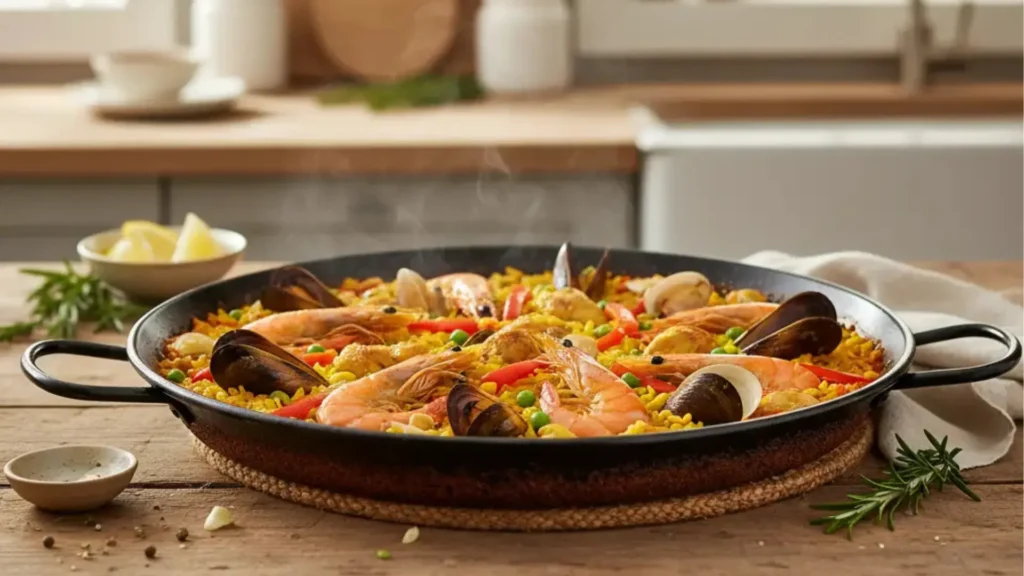
Paella represents one of Spain’s most iconic culinary traditions, rooted deeply in Valencian paella traditions where the dish was originally cooked over wood fires in wide, shallow pans. Unlike most rice preparations where you can compensate for poor cookware with careful stirring, paella demands a hands-off approach once the rice hits the pan. The cookware itself must handle heat distribution, moisture evaporation, and that crucial final phase where the bottom layer transforms into socarrat—the golden, crackling rice crust that defines a properly executed paella.
I spent several weeks cooking traditional Valencian paella, seafood variations, and mixed versions using six different paella pans ranging from budget carbon steel to premium enameled options. Each pan faced identical challenges: searing proteins without scorching, simmering rice evenly across a wide surface, and developing socarrat without burning. I tested on both gas stovetops and over live charcoal to see how each pan adapted to different heat sources.
The standouts combined intelligent design with materials that respond quickly to temperature adjustments.
Quick Picks: The Winners
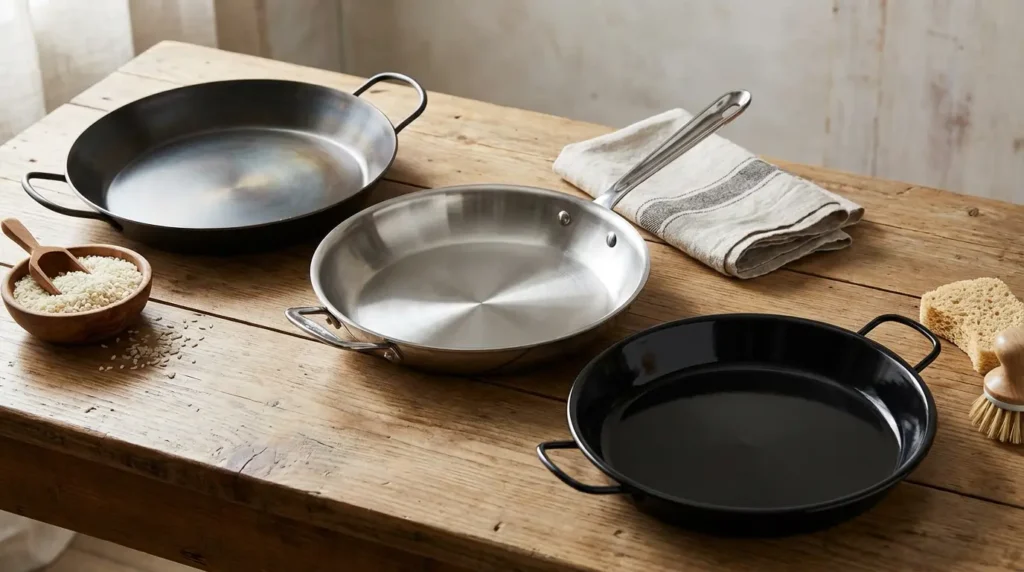
Best Overall Performance
Garcima Pata Negra Carbon Steel Paella Pan
Exceptional heat control and a properly proportioned cooking surface that keeps rice layers thin and even.
Best Value Option
Cuisinart ASP-38CR 15-Inch Paella Pan
Traditional Spanish construction at an accessible price point, though it needs attentive seasoning.
Best Low-Maintenance Choice
Garcima Stainless Steel Paella Pan
Zero seasoning requirements and rust-proof construction for cooks who want simplicity.
Best for Easy Cleanup
Magefesa Enameled Steel Paella Pan
The enamel coating handles stuck-on rice effortlessly and requires minimal post-cooking care.
Best Premium Copper Paella Pan
Mauviel Copper & Stainless Steel Paella Pan
Best Outdoor Paella Kit
Garcima Tabarca Paella Pan Set with Burner
My Testing Process
Paella pans fail in predictable ways: they concentrate heat in the center while leaving edges cold, they trap too much moisture because of improper depth, or they’re so thick they can’t respond when you need to quickly lower temperatures.
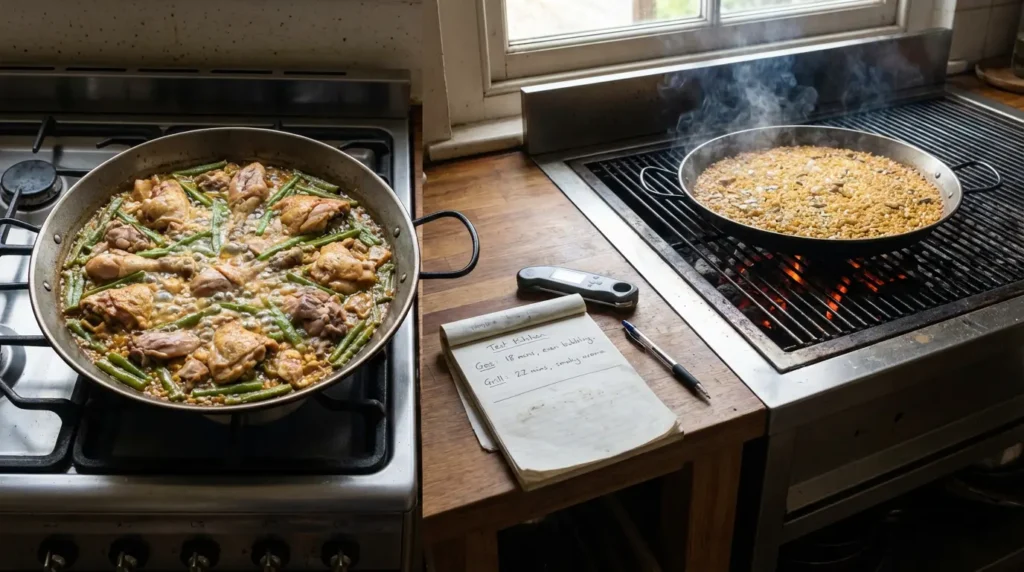
Round One: Indoor Cooking on Gas
I prepared a classic Valencian recipe with chicken, green beans, and butter beans in each pan, using the same burner size and identical ingredient measurements. I tracked how quickly each pan came to a simmer, whether broth evaporated uniformly across the surface, and where hot spots appeared during the final socarrat phase. After each session, I documented handling comfort when moving a full pan and how much effort cleanup required.
Round Two: Outdoor Fire Testing
The top performers advanced to a charcoal grill test where I cooked seafood paella over uneven coals to simulate traditional wood-fire cooking. This revealed which pans could self-correct for hot zones and which ones amplified heat inconsistencies. I also checked for warping, handle damage from direct heat, and whether any coatings degraded from smoke exposure.
Key Discoveries About Paella Pan Design
Paella cookware operates on different principles than typical sauté pans or skillets—the design priorities favor shallow geometry and thermal agility over durability or nonstick convenience.
Carbon Steel Offers Unmatched Responsiveness
The thin gauge of carbon steel allows immediate temperature changes, which matters enormously during the transition from rapid boiling to gentle simmering. When you need to drop the heat to stop rice from overcooking, carbon steel responds within seconds rather than holding residual heat like cast iron or thick stainless. The downside is maintenance: carbon steel oxidizes quickly and demands consistent oiling between uses.
Stainless Eliminates the Seasoning Burden
Stainless steel paella pans require nothing more than washing and drying, which removes a significant barrier for occasional paella cooks. The material resists corrosion completely and won’t develop rust spots if you forget to oil it. However, stainless doesn’t conduct heat quite as uniformly as carbon steel, and rice has a greater tendency to stick during the searing phase.
Enamel Coating Balances Convenience and Performance
Enamel-covered steel splits the difference by protecting the base metal from rust while maintaining decent thermal responsiveness. You skip the seasoning process entirely, and cleanup typically requires only warm water and a sponge. The vulnerability is physical damage—any chip that exposes bare metal underneath can lead to corrosion and coating failure.
Diameter Determines Rice Layer Depth
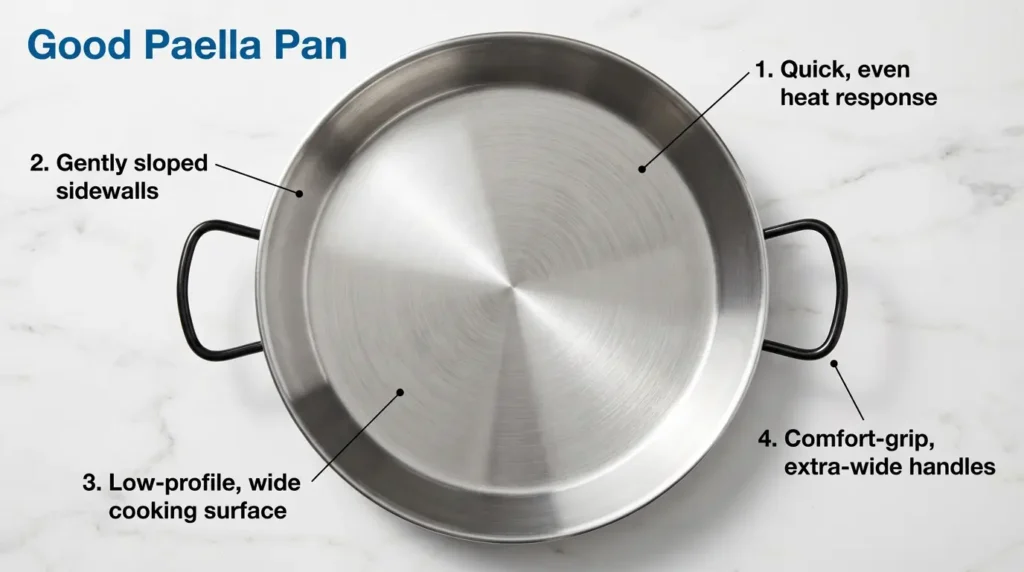
Paella rice needs to sit in a shallow spread, ideally measuring no deeper than your finger’s first joint. When pans have narrow bases, rice accumulates in thick layers that cook unevenly, with mushy grains at the bottom and firm, undercooked grains on top. Pans with at least an 11-inch flat base gave me consistently better results than those with smaller cooking surfaces.
Base Flatness Affects Stovetop Contact
Traditional Spanish paella pans often feature slightly dimpled bottoms because they’re designed for massive outdoor burners or open flames that wrap around the sides. On modern stovetops—especially flat glass or electric coils—a flatter base improves heat transfer and reduces the problem of a hot center surrounded by cold edges.
Shopping Guide: How to Choose Paella Cookware
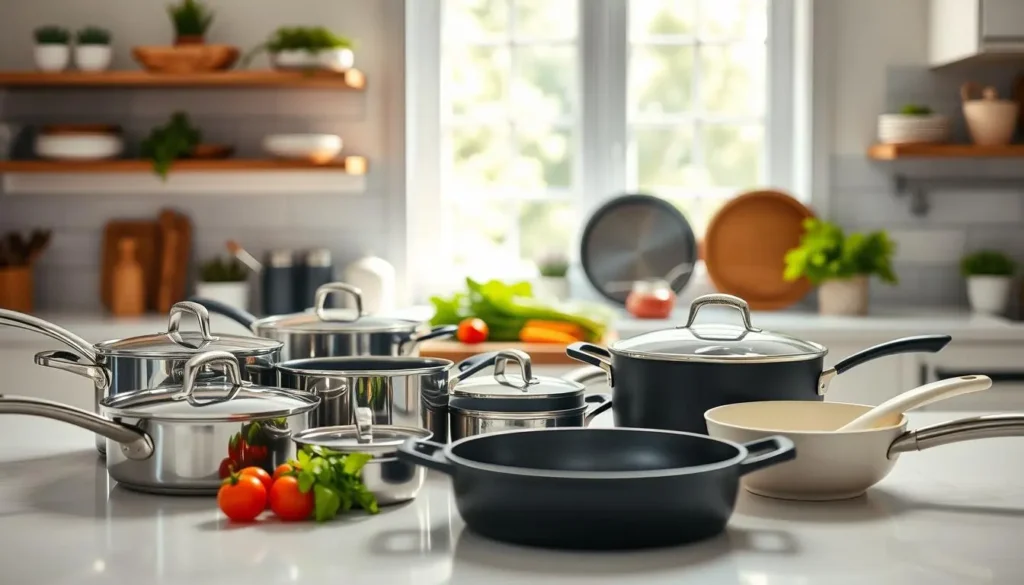
Match your paella pan selection to your cooking frequency, heat sources, and willingness to maintain the equipment.
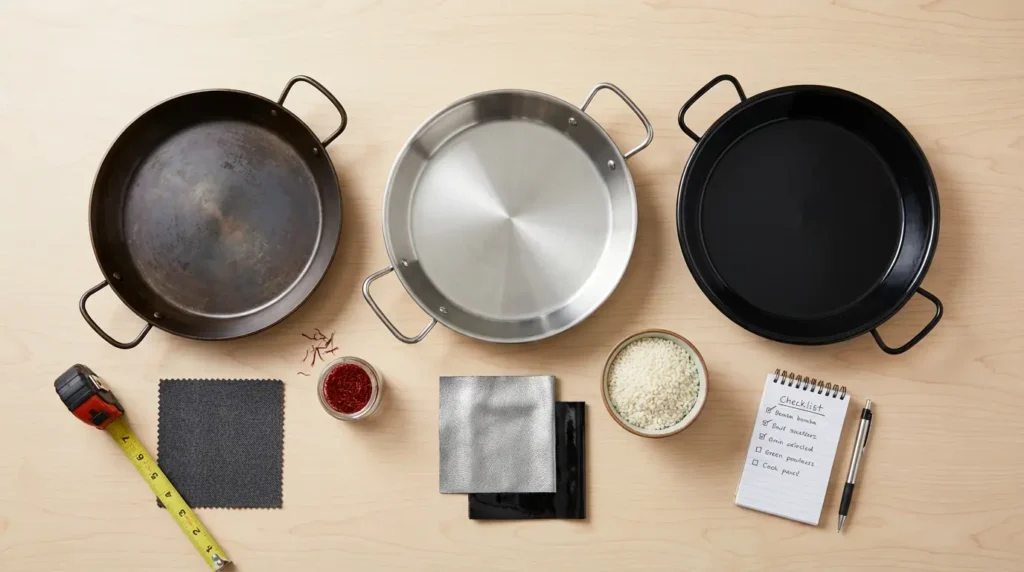
Material Selection Based on Your Habits
- Carbon steel: Choose this if you cook paella regularly and want the most authentic heat behavior; requires ongoing seasoning and rust prevention.
- Stainless steel: Select this if you want zero-maintenance cookware and don’t mind slightly different cooking characteristics; won’t rust or need seasoning.
- Enameled steel: Pick this if you cook paella occasionally and prioritize easy cleanup; no seasoning needed but vulnerable to chips.
Size Matching to Guest Count
A 15-inch pan feeds four to six people generously, assuming you keep portions reasonable. Smaller 12-inch pans work for couples or small families, while anything over 18 inches requires outdoor burners or grills to heat properly. Always bias toward larger sizes if you’re uncertain—too much surface area is better than forcing rice into thick layers.
Cooktop Compatibility Considerations
Gas ranges handle any paella pan style because the flame wraps the sides naturally. Electric and glass cooktops perform better with flatter bases that maximize contact with the heating element. Induction requires magnetic materials, which eliminates standard carbon steel and stainless unless specifically marked as induction-compatible.
Handle Design and Weight Distribution
Look for wide, looped handles that give you secure grip points when lifting a pan containing several pounds of rice, broth, and proteins. Handles with protective coating or riveted construction stay cooler than bare metal versions.
Realistic Maintenance Assessment
If you know you’ll occasionally skip the oiling step or leave dishes overnight before washing, choose stainless or enameled steel to avoid rust problems. Carbon steel rewards consistent care but punishes neglect.
Top Recommendations With Real-World Performance Notes
Best Value Option
Cuisinart ASP-38CR 15-Inch Paella Pan with Lid (Red)

- EXCEPTIONAL DESIGN: Enjoy professional performance with hard anodized exterior, unsurpassed heat distribution and quanta…
- PREMIUM COOKING: Constructed to last. Drip-free pouring– Sloped sides of the skillet maximize cooking surface.
- EXCEPTIONAL HANDLING: Cool grip handles are solid stainless steel riveted handles that stay cool on the stove top and pr…
Performance highlights:
This Cuisinart paella pan is a smart “best value” pick for home cooks who want paella-style results with as little fuss as possible. Its steel construction delivers quick, even heating, while the quantanium nonstick coating makes both cooking and cleanup far more forgiving than traditional carbon steel. The 15-inch diameter gives you ample surface area for a shallow rice layer, and the pan’s flared sides and dimpled interior are specifically shaped to encourage even moisture reduction and the formation of a caramelized paella crust. The included glass lid is a real advantage for mixed-use cooking—covering the pan helps with initial simmering or when you want to use it for other dishes, and it’s oven-safe up to 350°F (the pan itself up to 400°F). Induction compatibility plus stovetop-to-oven versatility make this a flexible piece of cookware beyond just paella nights.
The ergonomically designed stainless steel handles are riveted, stay cool on the stovetop, and provide a secure grip when the pan is loaded with rice and broth. For weeknight cooking, the durable nonstick interior means rice releases cleanly and you can usually wipe the surface clean with hot soapy water and a non-abrasive pad rather than needing to soak or scrub. For readers who want a paella pan that behaves more like a modern nonstick skillet but still respects traditional paella geometry, this is a strong fit.
Limitations:
Because the pan relies on a nonstick coating rather than seasoning, it won’t develop the same patina or “lived-in” surface as carbon steel, and you’ll want to avoid metal utensils to protect the coating over time. It’s also not dishwasher-safe, so it still requires hand washing, even if the cleanup itself is easy. The oven temperature limit (400°F for the pan, 350°F for the lid) is lower than what bare steel or cast metal can handle, which is worth noting if you routinely cook over very high heat or under a broiler. And while the dimpled interior helps with heat distribution and moisture retention, it’s optimized for home cooking convenience rather than the ultra-thin, ultra-responsive feel of a traditional carbon steel paellera.
Specifications
- Brand: Cuisinart
- Model: ASP-38CR 15-Inch Paella Pan with Lid
- Construction: Steel with quantanium nonstick coating
- Diameter: 15 inches
- Interior design: Flared sides with dimpled base for uniform heating and moisture retention
- Handles: Stainless steel, riveted, cool-grip design
- Lid: Tempered glass, oven safe to 350°F
- Pan oven-safe temperature: Up to 400°F
- Cooktop compatibility: Gas, electric, induction-compatible
- Nonstick: Yes
- Dishwasher-safe: No (hand wash only)
- Care: Clean with hot soapy water and a non-abrasive scrub pad; avoid metal utensils to preserve coating
Best Overall Performance
Garcima Pata Negra Carbon Steel Paella Pan

- Professional-Grade Carbon Steel Paella Pan– Made in Spain for authentic paella cooking. Must be seasoned before first us…
- Easy to Clean with Proper Care – Hand wash with warm soapy water, dry immediately, and apply a thin layer of oil before …
- Designed for Authentic Socarrat – Unlike non-stick pans, carbon steel allows rice to gently stick and caramelize, creati…
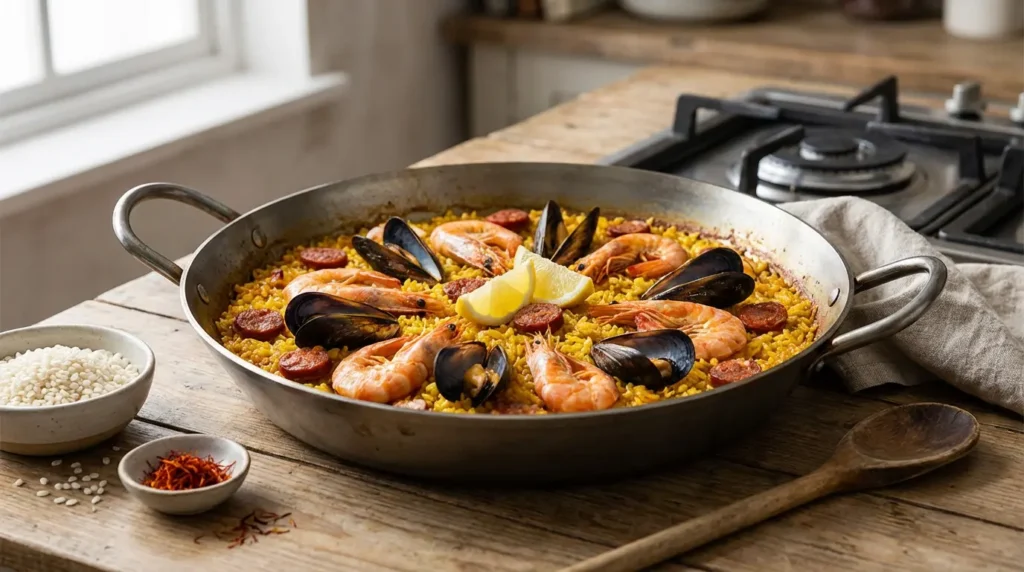
Performance highlights: This Valencia-produced pan uses thick-gauge carbon steel that heats uniformly while maintaining the quick response carbon steel is known for. The 15-inch opening tapers to an 11.5-inch base, creating a shallow bowl shape that naturally keeps rice spread thin. During cooking, I noticed the sloped walls guided broth toward the center, preventing dry spots near the rim.
The carbon steel developed a bronze patina after two cooking sessions, and by the third use, the surface released socarrat cleanly without sticking. Over charcoal, this pan adapted to hot spots better than any competitor, channeling heat laterally to even out temperature variations. The wide loop handles stayed manageable even when fully loaded with paella for six people.
Limitations: Carbon steel demands regular seasoning maintenance and must be dried completely after washing to prevent rust formation. This pan won’t function on induction cooktops without an adapter plate.
Specifications
- Construction: Carbon steel
- Opening diameter: 15 inches
- Base diameter: 11.5 inches
- Depth measurement: 2 inches
- Weight: 3.8 pounds
- Temperature ceiling: Exceeds 500°F
- Compatible surfaces: Gas, electric coil, charcoal grill
- Dishwasher use: No
- Care requirements: Season before initial use; hand wash and dry immediately after each use
Best Premium Copper Paella Pan
Mauviel Copper & Stainless Steel Paella Pan

- Made in France. Mauviel is the leading cookware manufacturer for professional and household chefs throughout the world.
- High performance: Mauviel’s M’Heritage M150B collection is made of two traditional cooking materials: copper and stainle…
- Versatile: can be used on all cooking surfaces. Gas, electric, halogen stovetops, and in the oven. It can also be used o…
Performance highlights:
This Mauviel M’Heritage paella pan is the luxury choice for cooks who care as much about precision and aesthetics as they do about flavor. Made in Villedieu-les-Poêles, France, it uses a bilaminated construction of about 90% copper with a 10% 18/10 stainless steel interior, giving you the classic benefits of copper—fast, even heat and ultra-responsive control—without the reactivity issues of bare copper. The 1.5 mm copper thickness strikes a balance between pro-level heat conduction and manageable weight, so you can bring rice from a vigorous boil down to a gentle simmer with small burner adjustments instead of big swings on the knob. The wide 15.7-inch diameter and shallow 2-inch height are ideal for paella: there’s enough surface area to keep the rice layer thin, which is crucial for even cooking and developing a proper crust on the bottom.
The stainless steel interior preserves the natural flavor of the ingredients and is easier to clean than tin-lined copper, making this pan more practical for frequent use. Bronze handles are not just decorative—they’re contoured for a comfortable grip and well-balanced when the pan is loaded with rice, broth, and proteins. The pan is rated for gas, electric, and halogen stovetops, and can go into the oven; with an interface disk, it can even work on induction, making it highly versatile for different kitchen setups. For someone who wants a showpiece cookware paella pan that can go from stovetop to table and impress both visually and technically, this is a standout option.
Limitations:
All the usual caveats of premium copper apply: you need to avoid prolonged high heat and never leave the pan empty over a burner, or you risk damaging the copper or discoloring the stainless interior. It’s not dishwasher-safe and must be hand washed, and harsh cleaners, scouring pads, or bleach will scratch or erode the surfaces and void the warranty. Like other nonstick-lined or finely finished interiors, you should avoid metal utensils to protect the cooking surface. It’s also significantly more expensive than carbon steel or enameled steel pans, so the value is best realized by cooks who will appreciate and actually use the fine heat control and presentation quality copper offers.
Specifications
- Brand: Mauviel
- Collection: M’Heritage 150 B
- Construction: 90% copper exterior / 10% 18/10 stainless steel interior (bilaminated)
- Copper thickness: 1.5 mm
- Diameter: 15.7 inches
- Height: 2 inches
- Capacity: 6.9 liters
- Handles: Bronze (brass-style), contoured and riveted for balance and grip
- Finish: Polished copper exterior, stainless steel interior
- Cooktop compatibility: Gas, electric, halogen, oven; induction with interface disk
- Oven use: Oven safe (avoid prolonged maximum heat)
- Nonstick: Smooth stainless cooking surface (no traditional nonstick coating; avoid metal tools)
- Dishwasher-safe: No (hand wash only)
- Care notes: Do not use high heat for extended periods; do not leave empty pan on heat; avoid abrasive cleaners, steel wool, and bleach to protect both copper and stainless surfaces
Best Low-Maintenance Choice
Garcima Stainless Steel Paella Pan

- Authentic paella pan; Made in Spain
- Serves 4 to 6. Top rim-to-rim dimensions: 16.1875 inches. With handles: 20.25 inches
- Included with pan is manual for use and care, plus a recipe and tips for perfect paella
Performance highlights: This 18/10 stainless steel construction eliminates every rust and seasoning concern, making it ideal for cooks who want paella capability without ongoing maintenance routines. The 15-inch diameter and sloped sides mirror the geometry of Garcima’s carbon steel model, and rice cooked evenly when I managed heat carefully.
The stainless finish remained bright and unmarked after multiple cooking sessions, including one over charcoal where carbon steel would have developed dark discoloration. Cleanup was effortless—stuck rice released with just warm soapy water, and the pan air-dried without any oxidation risk.
Limitations: Rice adhered slightly more than with seasoned carbon steel, requiring extra oil during the initial protein-searing stage. Stainless steel distributes heat less evenly than carbon steel, demanding closer attention to burner flame intensity to prevent hot spots.
Specifications
- Construction: 18/10 stainless steel
- Opening diameter: 15 inches
- Base diameter: 11 inches
- Depth measurement: 2 inches
- Weight: 3.2 pounds
- Temperature ceiling: Exceeds 500°F
- Compatible surfaces: Gas, electric coil (not induction-compatible)
- Dishwasher use: Yes, though hand washing extends longevity
- Care requirements: No seasoning needed; wash and dry normally
Best for Easy Cleanup
Magefesa Enameled Steel Paella Pan

- Premium Enameled Steel Construction – Made from high-quality enameled steel, this paella pan conducts heat efficiently, …
- Reinforced Durability with Hammered Dimple Technology – The dimpled surface adds rigidity, prevents warping, and enhance…
- Versatile Cooking Compatibility – Suitable for gas stoves, wood fires, vitro-ceramic surfaces, and gas burners, giving y…
Performance highlights: The black enamel coating on this steel base combines rust immunity with simplified cleanup, making it the strongest choice for occasional paella cooks or anyone prioritizing low-maintenance cookware. The 15-inch diameter provided sufficient surface area for four generous servings, and the nearly vertical sides promoted good heat circulation during the simmering phase.
Rice cooked evenly on both gas and electric stovetops, and socarrat formed nicely without adhering to the enamel surface. After cooking, residual crust wiped clean with just a soft sponge—no scrubbing or overnight soaking required. The enamel showed no discoloration or damage during testing, even after exposure to charcoal smoke and direct flame.
Limitations: Enamel coating is susceptible to chipping if you use metal utensils aggressively or drop the pan on hard surfaces. Once the coating cracks through to bare steel, rust can develop underneath, compromising the pan’s useful life. The enamel finish also looks less traditional than polished carbon steel if presentation at the table matters to you.
Specifications
- Construction: Enamel-coated steel
- Opening diameter: 15 inches
- Base diameter: 11.5 inches
- Depth measurement: 2 inches
- Weight: 3.1 pounds
- Temperature ceiling: 400°F
- Compatible surfaces: Gas, electric coil, charcoal grill
- Dishwasher use: No
- Care requirements: Hand wash with soft sponge; avoid metal utensils to protect coating
Best Outdoor Paella Kit
Garcima Tabarca Paella Pan Set with Burner (20-Inch Carbon Steel, 14 Servings)

- Includes: This kit includes the paella burner, the paella pan, and the supporting legs
- Usage: This popular pan is perfect for making authentic and delicious paella. It is shallow with sloping sides that help…
- Durable: The pan is thin, durable and it distributes heat evenly
Performance highlights:
The Garcima Tabarca set transforms backyard cooking into authentic Spanish paella parties, making it the top choice for anyone serious about outdoor entertaining. This complete kit includes a 20-inch shallow carbon steel paella pan, a heavy-duty gas burner, and reinforced red-painted support legs—everything you need to cook for 14 people without relying on a stovetop or grill. The pan’s thin carbon steel construction heats up fast and distributes warmth evenly across its wide, sloping sides, which naturally spread rice into the perfect shallow layer for uniform cooking and reliable socarrat formation over open flame. Imported from Spain, the pan’s design mimics traditional wood-fire paelleras, but the included burner provides consistent, adjustable heat that beginners can master quickly.
The red-painted carbon steel handles offer a secure, heat-resistant grip for maneuvering the large pan when full, while the sturdy legs elevate the setup off the ground for stability on patios, grass, or uneven surfaces. This isn’t just a pan—it’s a starter-friendly system that eliminates guesswork for large gatherings, delivering restaurant-quality results with minimal experience. For summer cookouts, family reunions, or anyone scaling up from stovetop paella, the all-in-one convenience and authentic performance make this set unbeatable.
Limitations:
At 20 inches, the pan is massive and best suited for groups of 8–14; smaller households might find it too bulky for storage or solo cooking. As traditional carbon steel, it requires initial seasoning and ongoing maintenance to prevent rust—hand washing and thorough drying after each use are essential, and it’s not dishwasher-safe. The burner relies on standard propane tanks (not included), so you’ll need to source fuel separately, and the entire setup demands more space and setup time than a standalone pan. While durable, the painted handles and legs could chip over repeated outdoor use if not handled carefully.
Specifications
- Brand: Garcima
- Kit includes: 20-inch carbon steel paella pan, gas burner, reinforced support legs
- Construction: Thin, durable carbon steel pan
- Diameter: 20 inches (serves 14 people)
- Handles: Carbon steel, painted red for heat resistance and grip
- Legs: Reinforced, painted red for stability
- Special features: Heavy-duty outdoor design, shallow sloping sides for even rice cooking
- Cooktop compatibility: Designed for outdoor propane burner (included); not for indoor stovetops
- Nonstick: No (develops seasoning over time)
- Dishwasher-safe: No
- Care: Season before first use; hand wash only, dry immediately, light oil coat to maintain seasoning
Pans That Didn’t Make the Cut
- Lodge Cast Iron Paella Pan (15-inch): Cast iron’s thermal mass works against paella’s need for rapid temperature changes. The thick walls retained so much heat that achieving socarrat without overcooking the top rice layer proved nearly impossible.
- Generic imported carbon steel models (under $20): Ultra-thin construction warped visibly after a single high-heat cooking session, creating an unstable base that rocked on flat surfaces. Rice burned in the center while edges remained undercooked due to the warping.
- Premium copper paella pans: Beautiful construction and exceptional thermal conductivity, but the maintenance requirements (regular polishing, tarnish removal) and high cost don’t justify the modest performance advantage over quality carbon steel for home cooking.
Common Questions Answered
Which cookware paella pan works best on a standard stovetop?
The Garcima Pata Negra Carbon Steel delivers superior results on gas ranges, while the Garcima Stainless Steel offers easier maintenance if you cook paella infrequently. For electric or glass-top ranges, choose pans with flatter bases to improve heat contact and distribution.
What diameter should I buy for a family of four?
A 14- to 15-inch diameter pan serves four people comfortably, provided the base measures at least 11 inches wide to maintain a shallow rice layer. Smaller pans force rice into thick layers that cook inconsistently.
Should I choose carbon steel or stainless steel for paella cookware?
Carbon steel provides better heat responsiveness and is traditional for developing authentic socarrat, but demands regular seasoning and rust prevention. Stainless steel requires no seasoning and resists corrosion, though rice may stick more during cooking. Select carbon steel if you’re committed to regular paella cooking; select stainless if you want minimal maintenance.
Can I cook paella on a charcoal grill?
Yes—paella originated as an outdoor dish cooked over wood fires, and all the carbon steel and stainless models I tested performed well over charcoal. Choose a pan wide enough to distribute heat naturally and arrange coals to minimize hot spots in the center.
How do I properly season a carbon steel paella pan?
Wash the new pan with hot soapy water to remove factory coatings, then dry completely. Apply a thin layer of neutral oil (canola or vegetable work well) across the interior surface and heat over medium-high heat until the oil begins smoking. Allow the pan to cool, wipe away excess oil, and repeat this process two more times. After each cooking session, hand wash with warm water, dry immediately, and apply a light oil coat to maintain the seasoning layer.
Do I need a specialty burner for cooking paella?
No—all tested pans functioned properly on standard residential gas and electric stovetops, as well as charcoal grills. Specialized outdoor paella burners become helpful only for pans exceeding 18 inches in diameter, but they’re unnecessary for typical family-sized portions.
Can paella pans serve other cooking purposes?
Absolutely—paella pans excel at sautéing vegetables, searing proteins, roasting whole chickens, or preparing one-pan dishes like shakshuka. The wide, shallow design functions similarly to a braiser, making it ideal for any preparation that benefits from rapid evaporation and surface browning.
What exactly is socarrat and why does it matter?
Socarrat refers to the crispy, caramelized rice layer that forms against the pan bottom during the final cooking minutes. It’s considered the defining characteristic of properly executed paella, contributing both textural contrast and toasted, nutty flavor. Quality paella pans distribute heat uniformly enough to create socarrat without burning the rice.
My Background and Testing Credentials
I’ve spent more than ten years working in professional restaurant kitchens and food media, with a focus on testing cookware through intensive real-world use rather than relying on manufacturer specifications. For this evaluation, I prepared six complete paella batches across six different pans, utilizing both indoor stovetop and outdoor charcoal grill configurations to assess heat distribution, socarrat development, and practical cleanup requirements.
I also consulted Chef Quique Dacosta of Restaurante Quique Dacosta in Dénia, Spain, who stressed the critical importance of thermal responsiveness and maintaining shallow rice layers for achieving authentic paella texture. Her insights about listening for the distinctive crackling sound that signals proper socarrat formation directly informed my testing criteria and helped identify which pans offered the optimal balance of precise control and forgiving performance.