The culinary world has long sought the secret to the perfect steak—one that is tender, juicy, and cooked to a precise doneness from edge to edge. While traditional methods like grilling and pan-searing rely on high heat and timing precision, the sous vide technique has emerged as the definitive method for achieving consistent, restaurant-quality results at home. This comprehensive guide will delve into the science, technique, and specific sous vide steak recipe variations required to master this art, ensuring your steak is flawless every single time.
Why Sous Vide Steak is the Only Way to Cook Beef
The term sous vide (French for “under vacuum”) refers to a method of cooking food sealed in a vacuum-sealed bag in a precisely temperature-controlled water bath 1. This technique, originally developed in the 1970s, has revolutionized professional kitchens and is now accessible to home cooks.
Precision and Consistency: The Sous Vide Advantage
The primary advantage of sous vide cooking is its unparalleled temperature control. When cooking a steak in a pan or oven, the external temperature is far higher than the desired internal temperature, creating a steep temperature gradient. This often results in an overcooked “gray band” of meat just beneath the crust.
Sous vide eliminates this problem by cooking the steak at the exact final internal temperature you desire.
“The sous vide method is the most reliable way to achieve a precise degree of doneness throughout a piece of meat, from edge to edge, without the risk of overcooking.”
This precision means that once the steak reaches its target sous vide steak temp, it will remain at that temperature until removed, offering a generous window of time (often several hours) before the texture begins to degrade. This “set-it-and-forget-it” nature removes the stress and guesswork associated with traditional steak preparation.
Edge-to-Edge Perfection: Eliminating the Gray Band
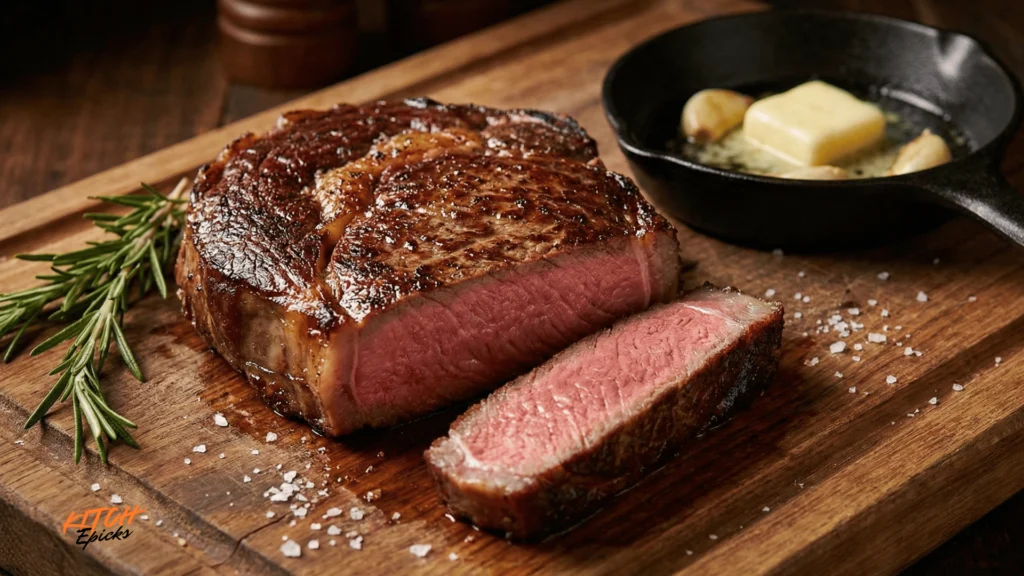
A perfectly cooked steak should have a uniform color and texture from the center to the edge, with only a thin, flavorful crust (or Maillard reaction crust) on the exterior. Traditional cooking methods struggle to achieve this due to the high heat required for searing. Sous vide, by contrast, ensures that the entire steak is cooked evenly, resulting in a steak that is perfectly medium-rare throughout, with no overcooked gray band.
Essential Equipment for Your Sous Vide Steak Recipe
While the process is simple, a few key pieces of equipment are necessary to execute a flawless sous vide steak recipe.
Choosing Your Sous Vide Immersion Circulator
The immersion circulator is the heart of the operation. It heats and circulates the water to maintain a precise, constant temperature. Modern circulators are compact, easy to use, and connect to any large pot or container. When selecting one, consider its wattage (higher wattage heats water faster) and its connectivity (Wi-Fi or Bluetooth models offer remote monitoring).
Sealing Methods: Vacuum Sealer vs. Water Displacement
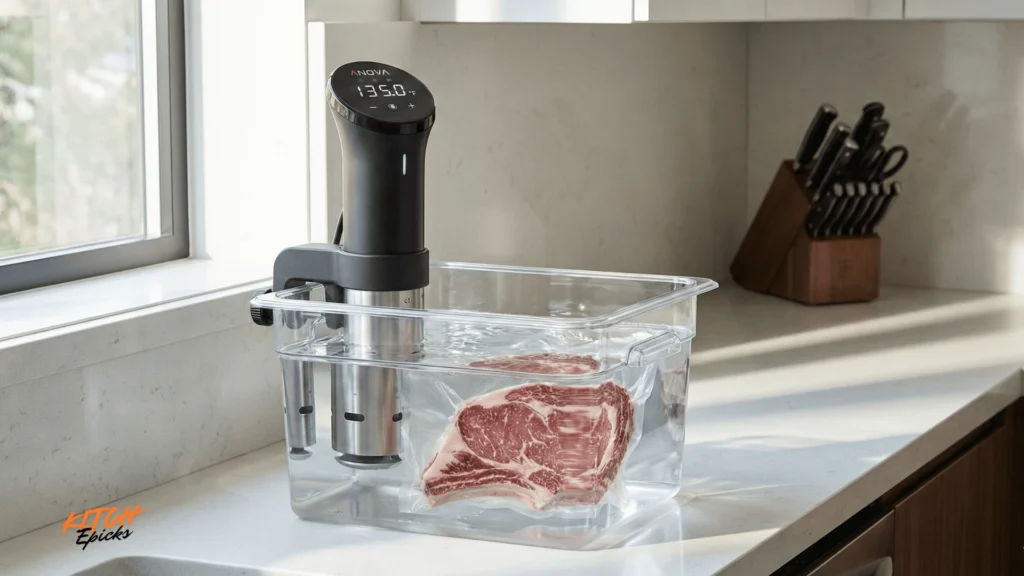
Sealing the steak is crucial to ensure efficient heat transfer and prevent the steak from floating.
•Vacuum Sealer: This is the ideal method, as it removes nearly all air, creating a tight seal that maximizes contact between the water and the meat.
•Water Displacement Method: For those without a vacuum sealer, a high-quality zipper-lock bag can be used. By slowly lowering the bag (with the zipper partially open) into the water, the pressure of the water forces the air out. Once the water level reaches the zipper, seal the bag completely.
Sous Vide Steak Temp and Doneness Guide (With Chart)
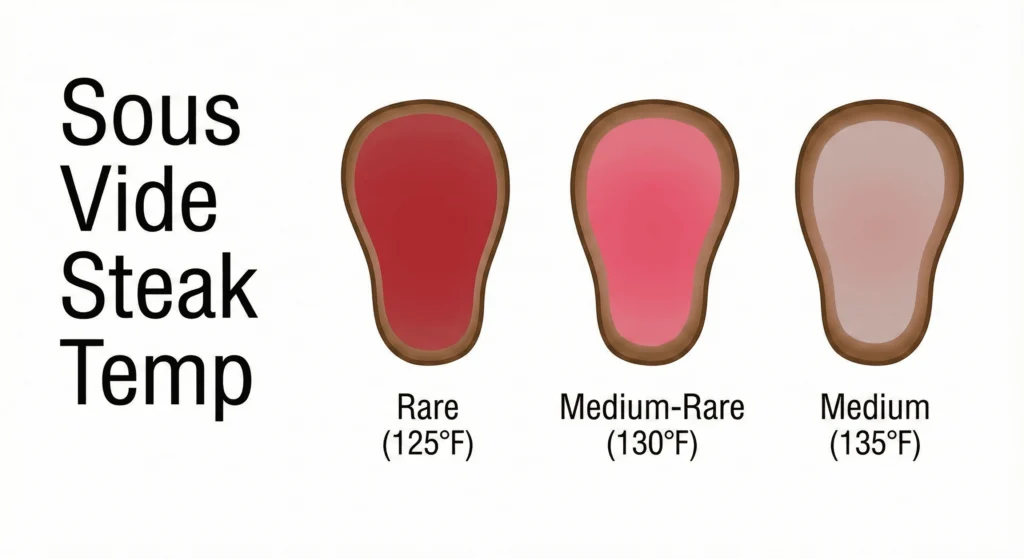
The most critical decision in the sous vide steak recipe is setting the correct temperature. This temperature directly correlates to the final doneness of your steak. The time required depends on the thickness of the steak, not the desired doneness.
The Science of Sous Vide Steak Temperature
The tenderness of a steak is determined by the breakdown of connective tissue, primarily collagen, into gelatin. While high heat can achieve this quickly (braising), sous vide uses lower temperatures over a longer period to achieve the same result without drying out the meat.
For most steaks, the ideal temperature range is between 125°F (52°C) for rare and 140°F (60°C) for medium 3. Cooking above 140°F can cause the meat to lose more moisture, diminishing the benefits of the sous vide method.
Comprehensive Sous Vide Steak Time and Temperature Chart
Use the following table to determine the perfect sous vide steak temp and minimum cooking time based on your preferred doneness and the thickness of your cut.
| Doneness | Sous Vide Steak Temp (F/C) | Description | Minimum Time (1-inch thick) | Minimum Time (1.5-inch thick) | Maximum Time (Food Safety) |
| Rare | 125°F / 52°C | Cool, red center | 1 hour | 1.5 hours | 2.5 hours |
| Medium-Rare | 130°F / 54°C | Warm, red center | 1 hour | 1.5 hours | 4 hours |
| Medium | 135°F / 57°C | Warm, pink center | 1 hour | 1.5 hours | 4 hours |
| Medium-Well | 140°F / 60°C | Slightly pink center | 1 hour | 1.5 hours | 4 hours |
| Well-Done | 150°F / 66°C | Little to no pink | 1 hour | 1.5 hours | 8 hours |
Note on Time: The minimum time is based on the time required for the center of the steak to reach the target temperature. The maximum time is generally a food safety and texture consideration; for most steaks, 4 hours is the practical limit before the texture becomes too soft.
Step-by-Step Sous Vide Steak Recipe: From Prep to Plate
This universal sous vide steak recipe applies to virtually all cuts, from the luxurious sous vide ribeye steak to the lean sous vide sirloin steak.
Preparation: Seasoning and Bagging Your Steak
1.Thaw and Dry: Ensure your steak is fully thawed. Pat the steak thoroughly dry with paper towels. This is crucial for achieving a good sear later.
2.Season Generously: Season the steak generously with kosher salt and freshly ground black pepper. Do not be shy; a good crust requires a good amount of seasoning.
3.Add Aromatics (Optional): For enhanced flavor, add a few sprigs of fresh herbs (thyme, rosemary) and a crushed clove of garlic to the bag. Do not add butter or oil at this stage, as it can leach flavor from the meat.
4.Seal the Bag: Place the seasoned steak and aromatics into the bag and seal it using your chosen method (vacuum sealer or water displacement).
The Sous Vide Cook: Time and Safety Considerations
1.Preheat the Water Bath: Set your immersion circulator to the desired sous vide steak temp from the chart above (e.g., 130°F for medium-rare). Allow the water to reach the set temperature before proceeding.
2.Submerge and Cook: Gently place the sealed bag into the water bath, ensuring it is fully submerged and not blocking the circulator’s intake. Cook for the minimum time required for your steak’s thickness.
3.Safety Note: For food safety, steaks cooked below 130°F (54°C) should not be held for longer than 2.5 hours. This is due to the risk of bacterial growth, according to food safety guidelines
Mastering the Sear: The Crucial Final Step
After the sous vide process, the steak will be perfectly cooked but will lack the desirable brown crust. This is where the high-heat sear comes in.
Searing on the Stovetop: Cast Iron Perfection
The stovetop sear is the most common and effective method.
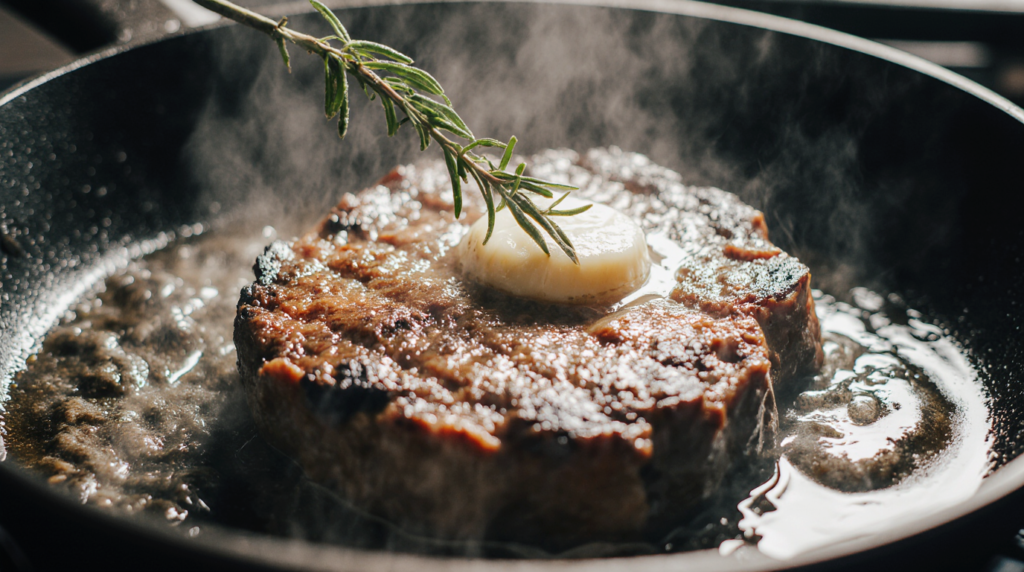
1.Remove and Dry: Remove the steak from the bag and discard the liquid and aromatics. Pat the steak as dry as possible with paper towels. Any moisture will steam the steak instead of searing it.
2.Heat the Pan: Place a cast iron skillet or heavy-bottomed stainless steel pan over very high heat. Add a high smoke point oil (like avocado or grapeseed oil) until it shimmers.
3.Sear: Place the steak in the hot pan. Sear for 30 to 60 seconds per side. For extra flavor, add a tablespoon of butter, a smashed garlic clove, and a sprig of thyme to the pan during the last 30 seconds and baste the steak.
4.Sear the Edges: Use tongs to hold the steak on its sides to sear the edges for a few seconds each.
Searing on the Grill: Achieving that Smoky Crust
For a smoky flavor, searing on a hot grill is an excellent alternative.
1.Preheat: Preheat your grill to its highest setting.
2.Sear: Place the dried steak directly on the grates. Sear for 60 to 90 seconds per side, rotating slightly to create attractive cross-hatch marks if desired.
Sous Vide Steak: Specific Cuts and Techniques
While the core method remains the same, different cuts of beef benefit from slight adjustments in time and temperature. This section addresses the specific techniques for popular cuts, including those covered in our cluster content.
The Luxurious Sous Vide Ribeye Steak
The sous vide ribeye steak is prized for its high fat content (marbling), which melts during the long, slow cook, basting the meat from the inside. Because of this fat, many chefs prefer to cook a ribeye a few degrees higher (132°F / 55.5°C) than a leaner cut to help render the fat more effectively.
For a deeper dive into this cut, see our guide on how to cook sous vide ribeye steak.
Perfecting Sous Vide Sirloin Steak and Beef Sirloin Steak Sous Vide
Sous vide sirloin steak is a leaner cut that benefits immensely from the precision of sous vide. Since it has less fat, it is more prone to drying out with traditional methods. We recommend keeping the temperature in the medium-rare range (130°F / 54°C) to maximize tenderness and moisture retention.
For detailed instructions on achieving optimal results with this cut, consult our article on beef sirloin steak sous vide perfect results.
Budget-Friendly Sous Vide Flank Steak and Sous Vide Skirt Steak
Flank and skirt steaks are tougher cuts due to their long muscle fibers. While they can be cooked quickly, they are often best when cooked at a slightly higher temperature (135°F / 57°C) for a longer duration (up to 8 hours) to allow the connective tissue to break down. This process, known as tenderization, is a major benefit of sous vide for these cuts.
For specific tips and tricks on these cuts, explore our related content:
•Cooking sous vide flank steak tips and tricks
•The best delicious sous vide skirt steak recipe
Bonus: Sous Vide Brisket
While not a steak, brisket is a prime example of how sous vide can transform tough cuts. It requires a much longer cook time (24-36 hours) at a higher temperature (155°F / 68°C) to fully break down the copious connective tissue.
Learn more about this process in our sous vide brisket complete guide.
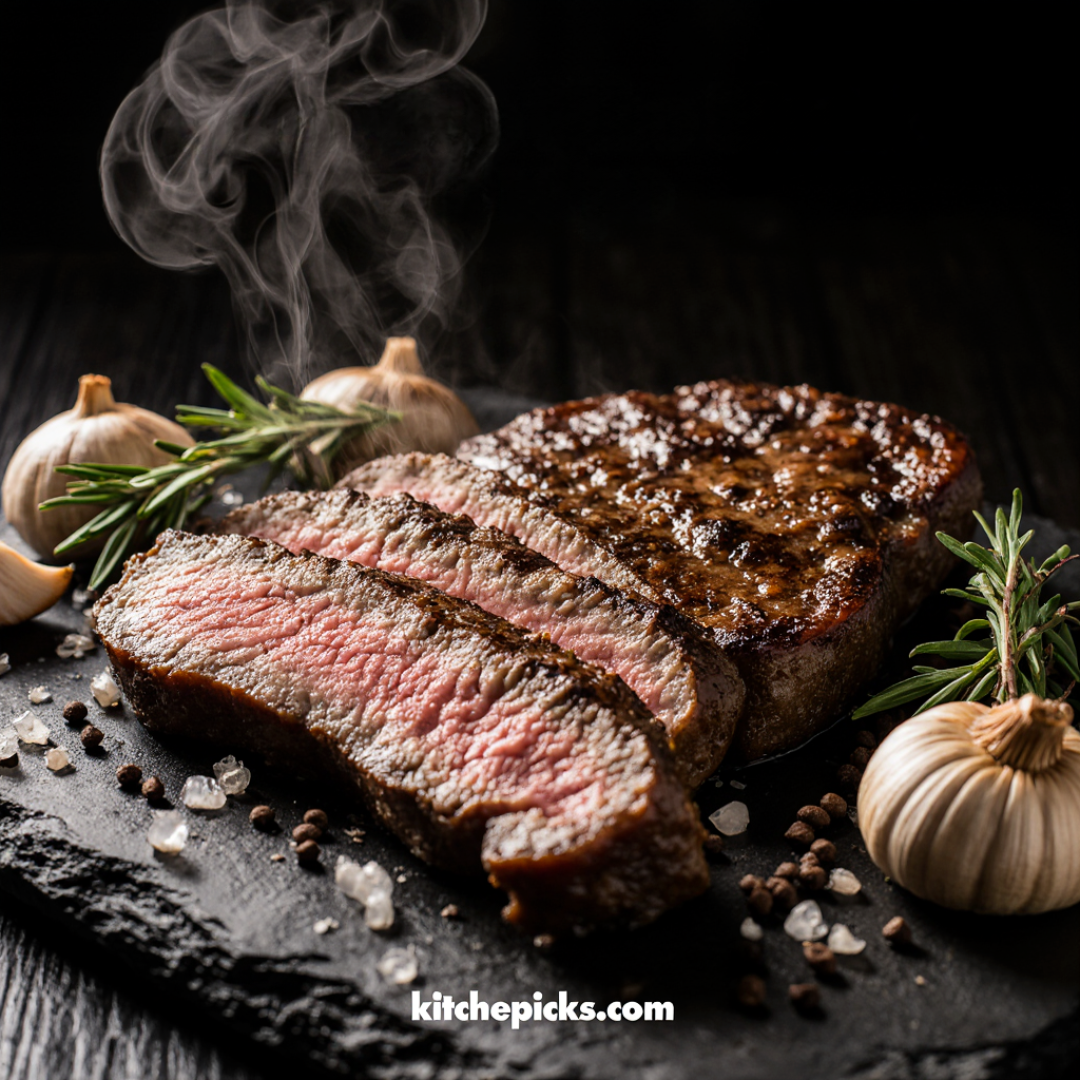
Perfect Sous Vide Steak
Ingredients
Equipment
Method
- Thaw and dry the steaks: Ensure steaks are fully thawed if frozen. Pat both sides completely dry with paper towels—this is crucial for achieving a proper sear later.
- Season generously: Season both sides of each steak liberally with kosher salt and freshly ground black pepper. Do not be shy; a good crust requires substantial seasoning.
- Add optional aromatics: If desired, add 1 sprig each of fresh thyme and rosemary, plus 1 crushed garlic clove to the bag with each steak. Important: Do not add butter or oil at this stage, as fat can leach flavor compounds from the meat during the long cook.
- Seal the bag: Place seasoned steak(s) and aromatics into vacuum-seal bags or heavy-duty zipper-lock bags. If using a vacuum sealer, seal according to manufacturer instructions. If using zipper bags, use the water displacement method: slowly lower the bag into water with the zipper partially open, allowing water pressure to force out air, then seal completely when water reaches the zipper opening.
- Preheat the water bath: Attach your immersion circulator to your pot or container. Set the temperature according to your desired doneness (see recipe notes for temperature chart). Common settings: 125°F for rare, 130°F for medium-rare, 135°F for medium. Allow water to reach set temperature before proceeding.
- Submerge and cook: Gently place the sealed bag(s) into the preheated water bath, ensuring steaks are fully submerged and not blocking the circulator's intake or outlet. Cook for the minimum time based on thickness: 1 hour for 1-inch steaks, 1.5 hours for 1.5-inch steaks.
- Monitor timing: The beauty of sous vide is flexibility—steaks can remain in the bath for up to 4 hours without overcooking (texture may soften after 4 hours). Food safety note: Steaks cooked below 130°F should not exceed 2.5 hours total cooking time.
- Remove and dry thoroughly: Remove steaks from bag(s) and discard cooking liquid and aromatics. Pat steaks as dry as absolutely possible with fresh paper towels—any surface moisture will steam the meat instead of creating a proper sear.
- Preheat pan to high heat: Place cast iron skillet over very high heat until smoking hot (about 2-3 minutes). Add 1 tablespoon high smoke point oil and swirl to coat pan.
- Sear the steaks: Place dried steaks in the screaming-hot pan. Sear for 30-60 seconds per side without moving them. For extra flavor, add 1 tablespoon butter, 1 smashed garlic clove, and 1 thyme sprig during the last 30 seconds and baste the steak with the foaming butter.
- Sear the edges: Use tongs to hold each steak on its sides, searing the edges for 10-15 seconds each to render any fat cap.
- Rest briefly and serve: Transfer steaks to a cutting board and rest for 2-5 minutes (a traditional long rest is unnecessary with sous vide). Slice against the grain if desired, or serve whole. Serve immediately on warmed plates.
Notes
Cut-Specific Tips:
- Ribeye & Strip Steaks: High marbling; cook at 130-135°F to render fat effectively
- Sirloin & Tenderloin: Lean cuts; stay at 130°F for optimal moisture retention
- Flank & Skirt Steaks: Tougher cuts; cook at 135°F for 4-8 hours for maximum tenderization
Pro Tips:
✅ Cooking from frozen: Add 30-60 minutes to minimum cooking time ✅ No butter in the bag: Fat leaches flavor during long cooks; add during searing only ✅ Dry = Better sear: Surface moisture is the enemy of browning—pat dry obsessively ✅ Alternative searing: Can use outdoor grill at highest heat; sear 60-90 seconds per side ✅ No traditional rest needed: Sous vide eliminates temperature gradients; 2-5 minutes is sufficient ✅ Batch cooking: Multiple steaks can cook simultaneously; just don’t stack bagsStorage & Reheating:
Leftover steak stores in airtight container for 3-4 days refrigerated. Reheat gently in 350°F oven for 10 minutes, or slice cold for salads and sandwiches.FAQ
Should I put butter or oil in the bag?
No. Contrary to popular belief, adding butter or oil to the bag during the sous vide process is unnecessary and can actually be detrimental. Fat-soluble flavor compounds in the meat can be leached out into the surrounding fat, diluting the steak’s natural flavor 5. Save the butter for the final searing step.
Can I cook sous vide steak from frozen?
Yes. One of the great conveniences of the sous vide method is the ability to cook steak directly from frozen. Simply add an extra hour to the minimum cooking time to allow the steak to fully thaw and reach the target temperature.
Does sous vide steak need to rest?
No, not in the traditional sense. Traditional steak cooking requires a rest period to allow the internal temperature gradient to equalize and for muscle fibers to reabsorb juices. Since sous vide cooks the steak evenly from edge to edge, there is no significant temperature gradient, and the juices are already distributed throughout the meat. A brief rest of 2-5 minutes after the high-heat sear is sufficient, primarily to allow the surface temperature to stabilize.
Elevate Your Steak Game
The sous vide method is more than just a cooking trend; it is a scientifically proven technique that guarantees a level of perfection unattainable by conventional means. By understanding the optimal sous vide steak temp and mastering the high-heat sear, you can consistently produce a steak that is tender, juicy, and perfectly cooked from edge to edge. Whether you are preparing a sous vide ribeye steak for a special occasion or a beef sirloin steak sous vide for a weeknight meal, this guide provides the foundation for your culinary success.